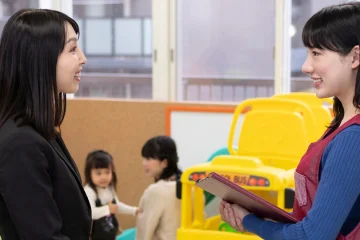
Importance of Teacher Student Relationship in Education

The relationship between teachers and students plays a central role in shaping the quality of education. A strong and respectful connection between them supports academic success, emotional stability, and personal development. When students feel valued and understood by their teachers, they become more motivated to learn and participate actively in classroom activities.
An effective teacher student relationship builds trust, improves communication, and creates a positive learning environment that encourages curiosity and confidence.
Understanding the Teacher Student Relationship
A teacher student relationship refers to the professional connection built through interaction, guidance, support, and mutual respect in the learning environment. It goes beyond classroom instruction and influences a student’s attitude toward education and life decisions.
This relationship supports both academic learning and character development, helping students become responsible and confident individuals.
Role of Teacher Student Relationship in Academic Success
Students perform better academically when they feel supported by their teachers. A positive relationship reduces fear and encourages students to ask questions freely.
Key academic benefits include
- improved classroom participation
- better understanding of subjects
- increased motivation to complete assignments
- higher confidence during examinations
- stronger interest in learning new topics
Teachers who maintain supportive relationships help students overcome learning difficulties more effectively.
Contribution to Emotional Development
Education is not limited to academic achievement. Emotional growth is equally important for students.
A healthy teacher student relationship helps students
- feel safe in the classroom environment
- express their thoughts openly
- manage stress related to studies
- develop self confidence
- build positive attitudes toward challenges
Teachers often become trusted mentors who guide students during difficult situations.
Encouraging Positive Classroom Environment
A respectful relationship between teachers and students creates a welcoming atmosphere for learning. When students feel comfortable in class, they participate more actively and collaborate better with classmates.
Positive classroom environments promote
- mutual respect
- discipline through understanding rather than fear
- teamwork among students
- interest in group learning activities
- better communication between teacher and learners
Such environments support long term educational success.
Impact on Student Motivation and Engagement
Motivation is a key factor in educational achievement. Teachers who maintain supportive connections with students inspire them to stay focused and enthusiastic about their studies.
Students become more engaged when teachers
- appreciate their efforts
- provide constructive feedback
- encourage participation
- recognize improvement
- create interactive learning experiences
Motivated students are more likely to develop strong study habits.
Role in Character Building and Values Development
Teachers influence students beyond textbooks. They help shape attitudes, values, and behavior patterns that remain throughout life.
Through strong relationships, teachers promote
- honesty and responsibility
- respect for others
- discipline and time management
- cooperation and teamwork
- confidence in decision making
These qualities prepare students for future social and professional responsibilities.
Supporting Individual Learning Needs
Every student learns differently. A strong relationship helps teachers understand individual strengths and weaknesses more clearly.
This understanding allows teachers to
- adjust teaching methods when necessary
- provide extra guidance to struggling learners
- challenge advanced learners appropriately
- identify learning barriers early
- support inclusive education practices
Personalized attention improves learning outcomes significantly.
Strengthening Communication Between Teachers and Students
Effective communication is essential for meaningful learning experiences. A supportive relationship encourages open interaction in the classroom.
Clear communication helps students
- ask questions without hesitation
- share academic concerns
- understand instructions properly
- participate in discussions confidently
- develop critical thinking skills
Teachers who communicate openly create stronger educational connections.
Long Term Influence on Career and Personal Growth
Teachers often influence students’ future choices and aspirations. Their encouragement can shape career interests and personal goals.
Students benefit when teachers
- guide them toward suitable opportunities
- recognize their potential strengths
- encourage independent thinking
- inspire curiosity about different fields
- support goal setting from an early stage
Such guidance contributes to lifelong learning habits.
Ways Teachers Can Build Strong Relationships with Students
Developing meaningful connections requires consistent effort and understanding.
Teachers can strengthen relationships by
- listening carefully to student concerns
- treating students with respect and fairness
- encouraging participation in classroom activities
- recognizing individual achievements
- maintaining approachable behavior
- providing constructive feedback regularly
These practices help create trust and mutual respect.
Role of Students in Maintaining Positive Relationships with Teachers
Students also play an important role in building healthy relationships with their teachers.
Students can contribute by
- showing respect toward teachers
- completing assigned work responsibly
- asking questions when needed
- participating actively in lessons
- following classroom guidelines
- communicating honestly about difficulties
Mutual cooperation strengthens the educational experience.
Conclusion
The teacher student relationship is one of the most important elements of effective education. It supports academic achievement, emotional stability, personal growth, and future success. When teachers and students build relationships based on trust and respect, learning becomes more meaningful and enjoyable. Such connections create a strong foundation for lifelong development and responsible citizenship.
Frequently Asked Questions
1. Why is trust important in teacher student relationships
Trust helps students feel comfortable sharing their ideas and difficulties, which improves learning outcomes and classroom participation.
2. How does teacher behavior influence student confidence
Supportive and respectful teacher behavior encourages students to express themselves freely and believe in their abilities.
3. Can strong teacher student relationships reduce classroom discipline problems
Yes. Positive relationships promote mutual respect, which naturally improves classroom behavior and cooperation.
4. How do teacher student relationships affect attendance
Students are more likely to attend classes regularly when they feel connected to their teachers and enjoy the learning environment.
5. What role does empathy play in teacher student relationships
Empathy helps teachers understand student challenges better and respond with appropriate guidance and encouragement.
6. How can schools encourage stronger teacher student relationships
Schools can promote smaller class interactions, mentorship programs, and supportive learning environments that encourage communication.
7. Do positive teacher student relationships improve group learning activities
Yes. When students feel comfortable with their teacher, they participate more confidently in collaborative classroom tasks and discussions.