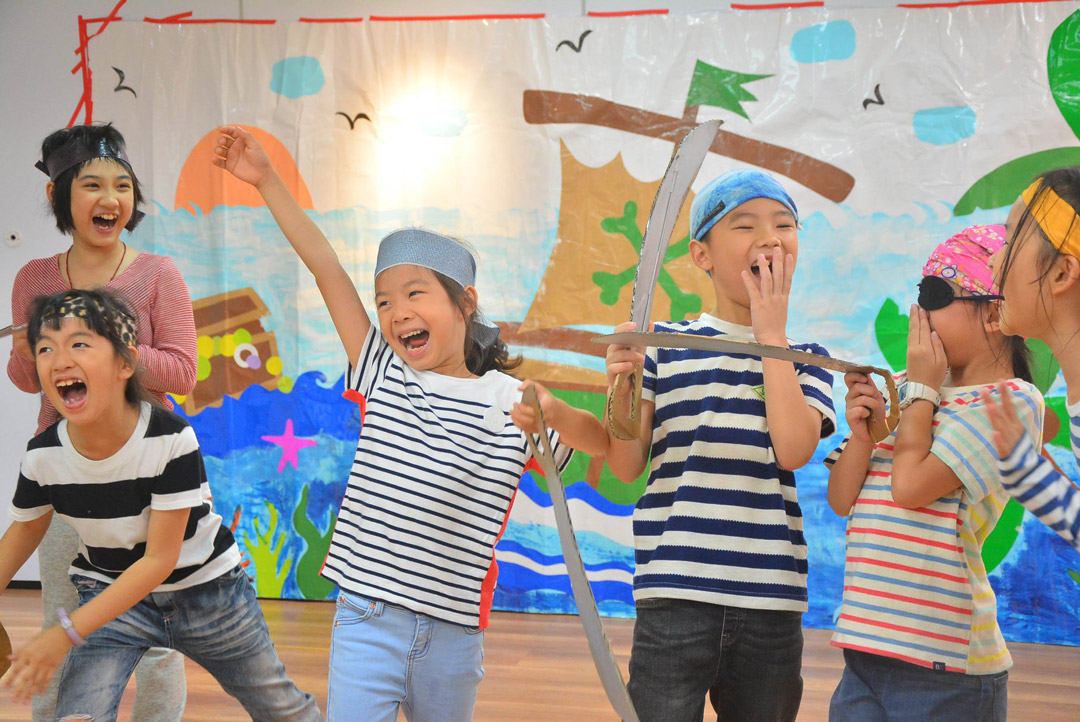
How Shows for Schools Encourage Creativity and Teamwork Among Students
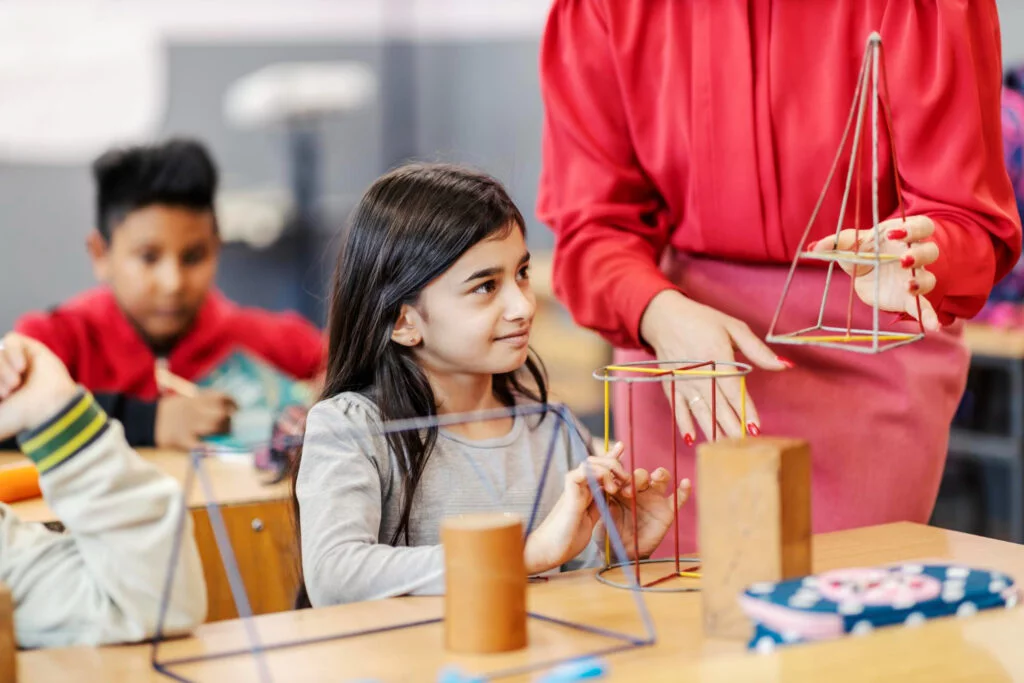
In an increasingly interconnected and dynamic world, the importance of fostering creativity and teamwork among students cannot be overstated. Educational institutions are continually seeking innovative methods to engage students and enhance their learning experiences. One such method gaining traction is the production of shows for schools, which serve as a powerful platform for nurturing students’ artistic talents while simultaneously building collaboration skills. These productions, ranging from theatrical performances to musical showcases, provide students with the opportunity to express their creativity in a supportive environment. Beyond the stage, the collaborative nature of these projects encourages teamwork, as students must work together to navigate the complexities of planning, rehearsing, and performing. As they take on various roles—whether as actors, musicians, set designers, or stage managers—students learn valuable lessons in communication, problem-solving, and responsibility. This article explores how school shows not only enrich the creative landscape of educational settings but also cultivate essential life skills that students will carry with them beyond the classroom. By examining the multifaceted benefits of these productions, we can better understand their role in shaping well-rounded individuals equipped for future challenges.
– Engaging students through collaborative performances enhances creativity and communication skills.
Collaborative performances in educational settings, such as those organized through shows for schools, serve as a dynamic platform for students to express their creativity while honing essential communication skills. By working together towards a common goal, students are encouraged to share ideas, negotiate roles, and provide constructive feedback to one another. This process not only fosters an environment of teamwork but also cultivates a sense of ownership and investment in the final product, allowing students to explore their artistic identities in a supportive atmosphere.
Moreover, participation in shows for schools promotes a multifaceted approach to learning that goes beyond traditional classroom engagement. As students navigate various aspects of performance, from scriptwriting to stage design, they are challenged to think critically and innovatively. The collaborative nature of these performances requires effective interpersonal communication, as students learn to articulate their thoughts, listen actively, and adapt to the input of their peers. Ultimately, these experiences empower students to become more confident communicators and creative thinkers, skills that are invaluable in both academic and professional settings.
– Shows for schools promote teamwork and build lasting friendships among students in diverse environments.
interact with peers from different backgrounds and perspectives. This interaction not only enriches their understanding of diverse viewpoints but also encourages the development of empathy and camaraderie. As students collaborate on creative projects, they build meaningful connections that extend beyond the school setting, fostering lasting friendships and a sense of community.
Through shared experiences in shows for schools, students learn the value of teamwork and collective problem-solving, which are essential life skills. The challenges faced during rehearsals and performances provide opportunities for students to support one another, celebrate successes, and navigate setbacks together. Such collaboration not only strengthens bonds among participants but also imparts a profound appreciation for the contributions of others, thereby enhancing their ability to work effectively in diverse teams throughout their academic and professional lives.
– Creative expression fosters confidence and personal growth during school shows and collaborative projects.
Engaging in shows for schools allows students to explore their creative potential, which in turn cultivates a sense of self-assurance and personal growth. By participating in performances and collaborative projects, learners are encouraged to step outside their comfort zones, take creative risks, and express their unique ideas. This process of self-expression not only heightens their confidence but also enhances their ability to articulate thoughts and emotions, skills that are invaluable both in and out of the classroom.
Moreover, the supportive environment of school shows fosters resilience and adaptability as students face various challenges, such as public speaking or working with a team to achieve a common goal. These experiences empower them to embrace feedback constructively and refine their skills through practice and perseverance. Ultimately, the creative outlets provided by shows for schools serve as vital platforms for personal development, enabling students to emerge as more confident individuals ready to tackle future endeavors with enthusiasm and a collaborative spirit.
In summary, shows for schools serve as invaluable platforms for fostering creativity and teamwork among students. By engaging in collaborative projects, students not only develop essential skills such as communication, problem-solving, and critical thinking, but they also learn the importance of working together towards a common goal. These experiences promote a sense of community and belonging, enhancing the overall educational environment. As educators continue to incorporate such initiatives into their curricula, they empower students to express themselves creatively while building strong interpersonal relationships that will benefit them throughout their academic and professional journeys. Emphasizing the role of collaboration in creative endeavors, schools can cultivate a generation of innovative thinkers and effective team players.