Online Tutor: A Complete Guide to Learning Smarter in the Digital Age

Introduction to Online Tutoring
Online tutoring has transformed how students access education. Instead of relying only on classroom instruction, learners now receive personalized academic support from anywhere with an internet connection. This flexible learning model connects students with subject experts through video conferencing, digital whiteboards, messaging platforms, and interactive tools.
Whether supporting school subjects, preparing for competitive exams, or building professional skills, online tutoring offers a convenient and efficient alternative to traditional learning environments.
What Is an Online Tutor
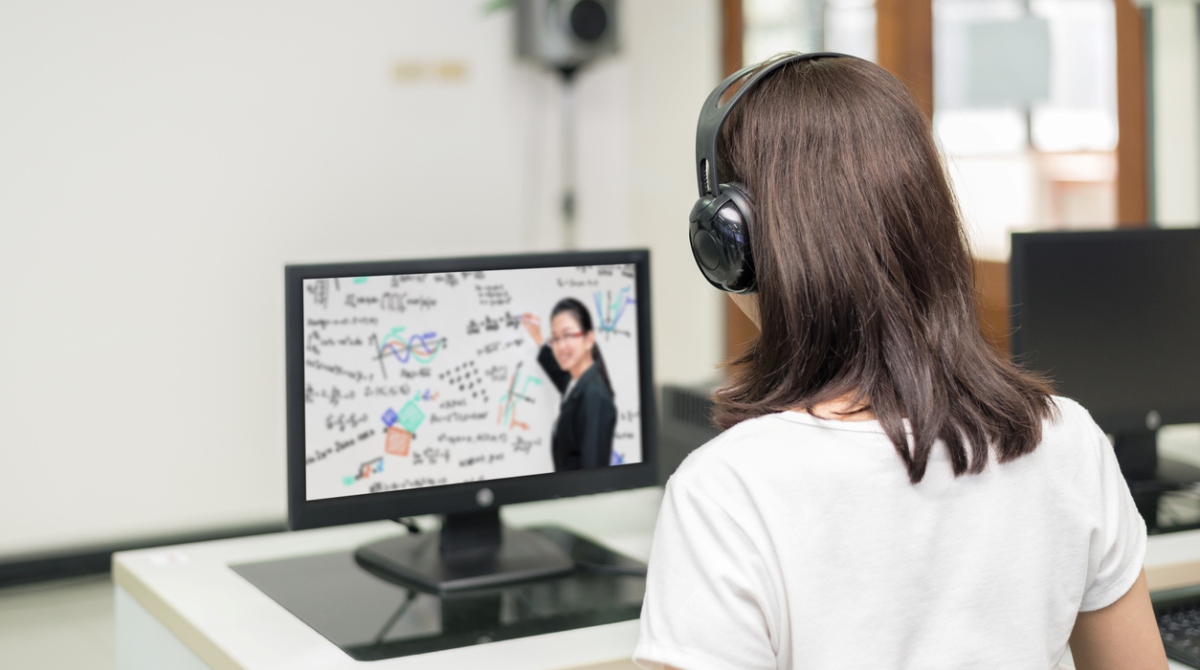
An online tutor is an educator who teaches students remotely using digital platforms. Sessions may be conducted one to one or in small groups and often include interactive explanations, assignments, and progress tracking.
Online tutors typically support learners in
- School curriculum subjects
- Competitive exam preparation
- Language learning
- Professional certifications
- Skill development such as coding or communication
They adapt teaching methods based on individual learning needs, making lessons more effective and personalized.
How Online Tutoring Works
Online tutoring sessions usually follow a structured approach designed to maximize understanding and engagement.
Scheduling the Session
Students choose a suitable time slot based on their availability and learning goals.
Live Interactive Teaching
Tutors conduct lessons through video conferencing tools that support screen sharing and collaborative whiteboards.
Practice and Assignments
Learners receive exercises to strengthen concepts covered during sessions.
Feedback and Progress Tracking
Tutors monitor improvement and adjust strategies to match the student’s pace.
This structured workflow ensures continuous academic development.
Benefits of Online Tutoring
Online tutoring has become popular because it addresses many limitations of traditional classroom learning.
Flexible Learning Schedule
Students can attend sessions
- after school hours
- during weekends
- according to personalized study plans
This flexibility helps balance academics with extracurricular activities.
Access to Expert Tutors
Learners are not restricted to local teachers. They can connect with experienced tutors from different regions and academic backgrounds.
Personalized Attention
Unlike crowded classrooms, online tutoring focuses on individual strengths and weaknesses. Tutors adjust lesson speed and teaching style accordingly.
Comfortable Learning Environment
Studying from home reduces travel time and allows students to learn in a familiar setting.
Cost Effective Learning Option
Many online tutoring services offer affordable plans compared to traditional private coaching.
Skills Required to Become an Effective Online Tutor
Successful online tutors combine subject expertise with communication and technical skills.
Important qualities include
- Strong subject knowledge
- Clear communication ability
- Patience and adaptability
- Digital teaching platform familiarity
- Time management skills
These skills help tutors deliver engaging and productive sessions.
Tools Used in Online Tutoring
Technology plays a central role in remote teaching. Tutors rely on various tools to create interactive learning experiences.
Common tools include
- Video conferencing platforms
- Digital whiteboards
- Screen sharing software
- Learning management systems
- Assignment tracking applications
These tools make virtual lessons as effective as traditional classroom sessions.
Who Can Benefit from Online Tutoring
Online tutoring supports learners at different stages of education.
It is especially helpful for
- school students needing homework support
- exam preparation candidates
- college learners seeking concept clarity
- working professionals upgrading skills
- language learners improving fluency
Because sessions are personalized, learners progress faster and more confidently.
How to Choose the Right Online Tutor
Selecting the right tutor improves learning outcomes significantly.
Consider the following factors before choosing one
- subject specialization
- teaching experience
- student reviews or testimonials
- trial session availability
- communication style compatibility
A well matched tutor creates a comfortable and productive learning environment.
Future of Online Tutoring
Online tutoring continues to grow as education becomes more technology driven. Improvements in artificial intelligence tools, adaptive learning platforms, and virtual classrooms are making remote education more interactive and accessible.
As internet connectivity expands globally, online tutoring is expected to become a primary learning support system for students across age groups.
FAQ Section
1. What qualifications should an online tutor have
An online tutor should possess strong academic knowledge in their subject area along with teaching experience and familiarity with digital learning tools.
2. Is online tutoring suitable for younger students
Yes, younger students benefit from structured online sessions that include interactive visuals, guided practice, and regular feedback from tutors.
3. How long should an online tutoring session be
Most sessions last between 45 minutes and 90 minutes depending on the student’s attention span and subject complexity.
4. Can online tutoring help improve exam performance
Yes, targeted concept revision, practice exercises, and personalized guidance significantly improve exam readiness.
5. Do students need special equipment for online tutoring
A stable internet connection, headphones, and a laptop or tablet are usually sufficient for effective participation.
6. How often should students attend online tutoring sessions
Session frequency depends on learning goals. Many students attend two to three sessions per week for consistent progress.
7. Is online tutoring as effective as classroom learning
When delivered properly with interactive tools and personalized instruction, online tutoring can be equally effective and sometimes more efficient than classroom learning.